Application development has changed more in the last eighteen months than in the decade before it. AI coding agents now sit inside nearly every serious engineering workflow. Customers expect intelligence built into the product, not bolted on as a chatbot widget. And the cost of running on five-year-old architecture compounds faster than it used to.
Qruize’s Application Services team builds, modernizes, and supports software for exactly this moment — pairing senior engineers with AI-assisted delivery to ship faster without cutting corners on architecture, security, or long-term maintainability.
Projects Done
Applications are at the core of every successful business. At Qruize, we help enterprises and growing businesses build resilient, secure, and future-ready applications that evolve with changing market demands.
By leveraging cloud-native architectures, AI-powered development practices, and automated delivery, we accelerate time-to-market and create digital experiences that drive real business value.

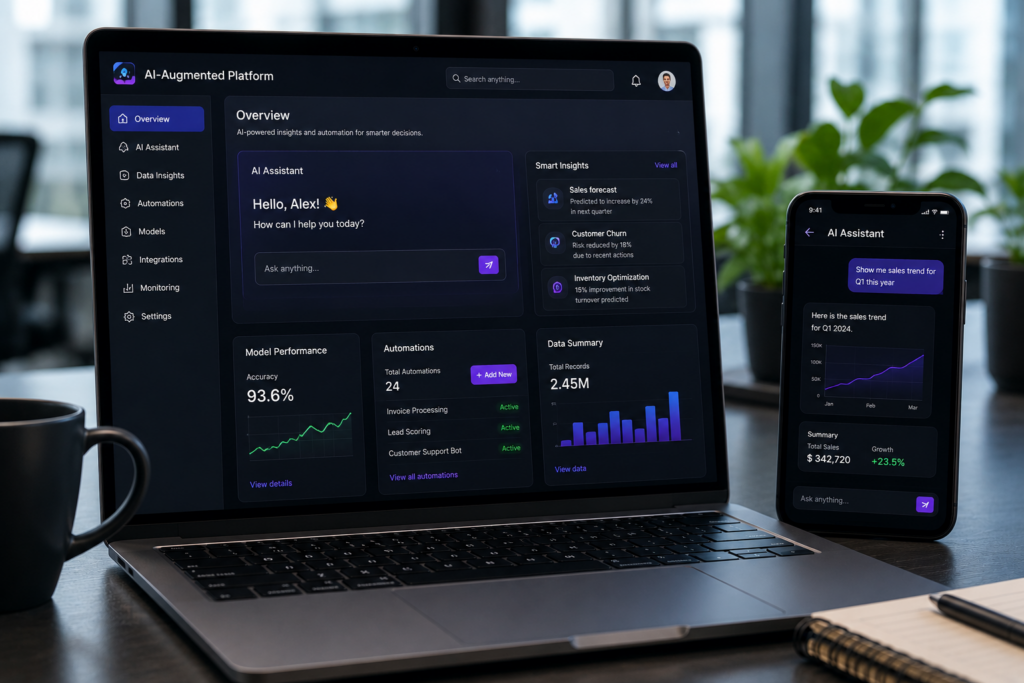
Build intelligent applications powered by AI to automate processes, personalize experiences, and drive better decisions.
Develop scalable, secure, and high-performing applications using modern cloud-native technologies and architectures.
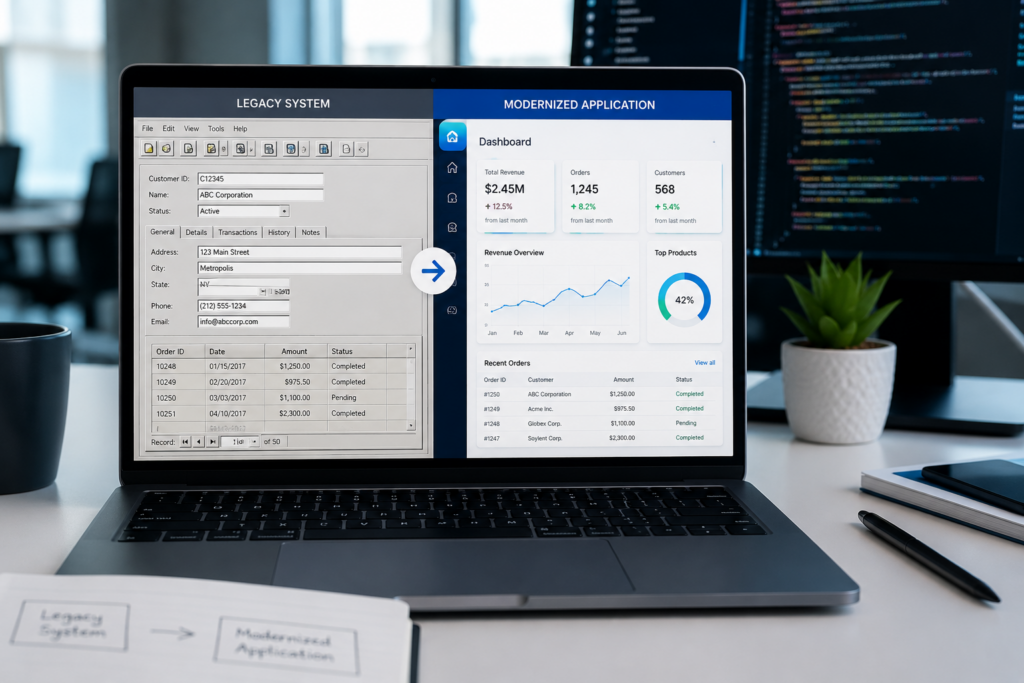
Modernize legacy systems by re-engineering or re-platforming, enabling agility, performance, and innovation.
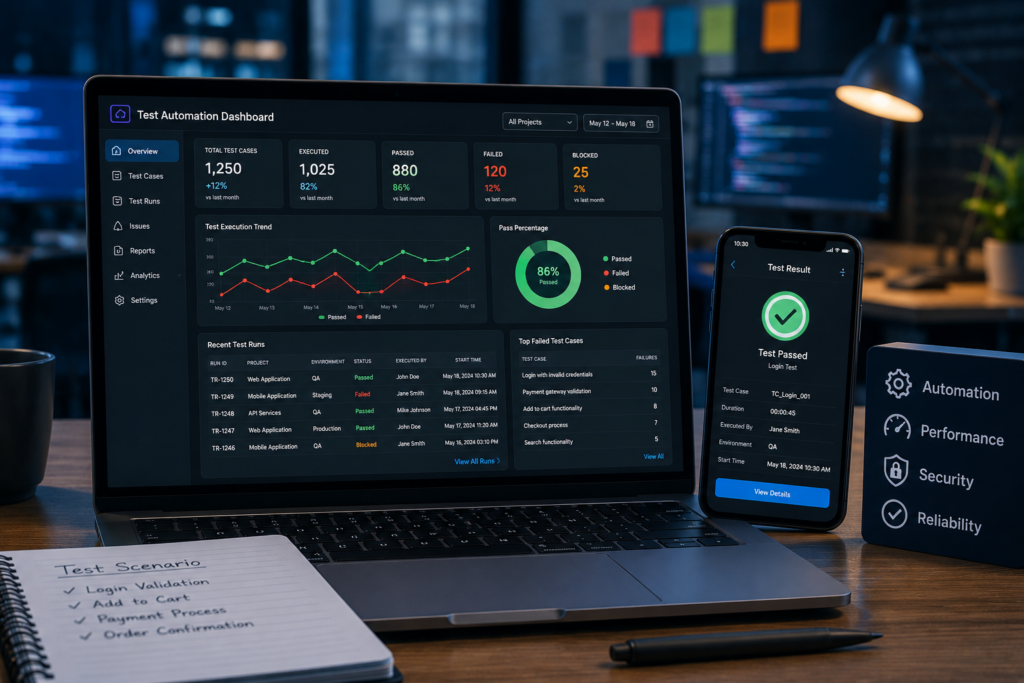
Ensure quality at every stage with test automation, continuous testing, and advanced QA practices.
Enable seamless integration and data flow across platforms, applications, and third-party services.
Ensure business continuity with proactive monitoring, optimization, and round-the-clock support.
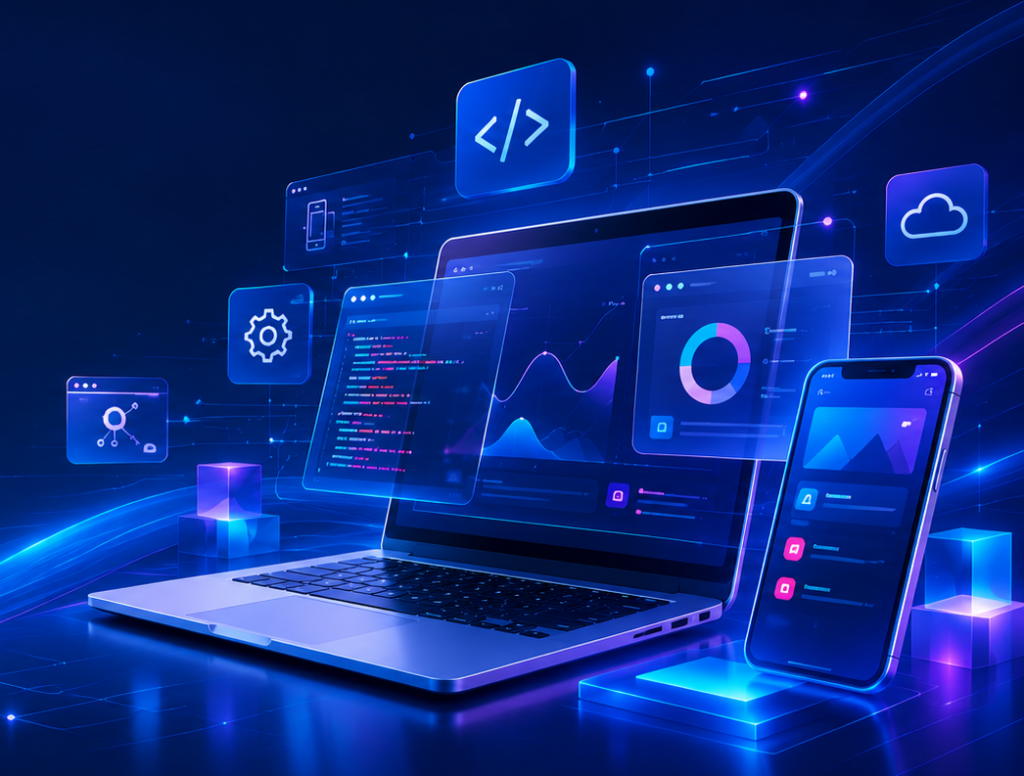
We design and build applications the way modern engineering teams actually work now — cloud-native by default, API-first, and assisted (not replaced) by AI throughout delivery.
Most builds today involve an AI coding agent working alongside a human engineer, which changes the shape of the work more than its speed: architecture and business logic stay firmly with our engineers, while repetitive scaffolding gets handed off. Every line that comes out of an AI tool is reviewed and owned like any other pull request — never shipped blind.
Most modernization projects fail because they try to rebuild everything at once, betting the business on a single big-bang cutover.
Ours don’t. We start by understanding what’s actually broken — using AI-assisted analysis to map dependencies, technical debt, and migration risk before a single change goes in — then modernize in stages that keep the business running while we rebuild underneath it.
Testing has moved well past record-and-playback scripts that break the moment a button moves. Our quality engineering practice builds automation that adapts as the application evolves, so coverage grows alongside the codebase instead of becoming one more thing nobody trusts.
A good share of that capability lives in QruizeMove, our own test automation platform, which lets manual testers contribute real automated coverage without learning to code.
Building software with AI tools and building software that contains AI are two different disciplines, and we treat them as such.
We embed task-specific AI agents, copilots, and assistants directly into the applications we build — going beyond using AI just to write code faster, toward software that’s genuinely smarter for the people using it. None of that ships without the same rigor as everything else we build.
Keeping an application alive shouldn’t mean keeping a ticket queue alive. We lean on AI-assisted monitoring and observability to catch problems while they’re still patterns in a dashboard, not yet outages affecting users a meaningfully different job than the reactive, ticket-driven support most maintenance contracts default to.
map the real problem and the real constraints before designing anything
AI-assisted velocity, human-owned architecture and decisions
quality engineering, security review, and performance testing folded into delivery, not bolted on at the end
CI/CD-driven release, observability from day one, and support that doesn’t disappear after go-live